

Jomark Osabel Project: Evolving with the Cebuano Indie Music Scene
The origins of the Jomark Osabel Project can be traced back to the mid 2000s, when Jomark and his wife Dorski got into indie filmmaking. Together with friends, they formed SineBuano, a grassroots filmmaking group focused on stories with local sensibilities and regional flavor. Despite limited resources, they managed to produce short films in the Cebuano language that reflected Cebuano culture and everyday life.
One memorable gathering happened at Handuraw Cafe in its original Mabolo location. Local filmmakers showcased mostly short films, while performances from rising local bands filled the breaks in between screenings. Among them were Missing Felimon, then just starting out, Aggressive Audio, and other up-and-coming acts. Around this time, Jomark also met Carlo of the Purple Helmets, who became an important influence during his early creative years. Beyond introducing him to science fiction films exploring simulation theory such as The Matrix, The Thirteenth Floor, and Dark City, Carlo also helped connect Jomark with filmmakers from the earlier generation of Cebu’s independent cinema movement. Jomark later directed a short film written by Carlo that was originally created as a comic. Those experiences and influences would later shape much of Jomark’s storytelling and songwriting.
It was also during this period that Jomark met MC Rey, a respected figure in the local hip-hop scene.
MC Rey eventually asked Jomark to manage his rap duo, Brownian Method, which he accepted. To help promote the group, they produced a music video for “Lami ang Gidili,” a track from the album Pagbalik sa mga Tabian, released through a major record label.

Using FL Studio, Jomark also co-created “Utang,” a rap song tackling the realities of debt and financial struggle. The track was recorded together with MC Rey, who delivered most of the verses with intensity, while Jomark himself also performed some parts of the song. The track was later included in the same album.
A press conference for the album launch was attended by executives from the label, and the album was officially released to the public in 2007. At the time, physical CDs were still the standard, and copies could be found in record stores inside local malls.

Jomark accompanied the duo to many performances, including gigs in neighboring island cities such as Dumaguete and mall tours around Cebu. One of the highlights was a performance during a Sinulog Festival-related event at Fuente Osmeña Circle.
Around the same time, Jomark directed the music video for Aggressive Audio’s song “Lingin,” filmed on location at Tops. One practical effect involved spraying the band members with water while they performed in the middle of the open grounds. With the cold mountain breeze hitting them throughout the shoot, everyone ended up soaked and freezing. By the next day, some of the instruments were already showing signs of rust. The music can still be viewed on Youtube https://www.youtube.com/watch?v=zQNVe1534hM&list=RDzQNVe1534hM.
Jomark also directed a music video for Missing Felimon’s “Sine-Sine,” filmed inside the old Century Plaza Complex theater along Mango Avenue before the building was eventually demolished and replaced by what is now JESA ITC. For reasons unknown, the video was never officially released. It might be made public someday.
During those years, another Bisrock act led by Nahsh of Assembly Language approached Jomark for management. To avoid artistic conflicts, they instead formed a new band project called “16 Minutes,” named after the amount of time it took them to come up with the band’s name.
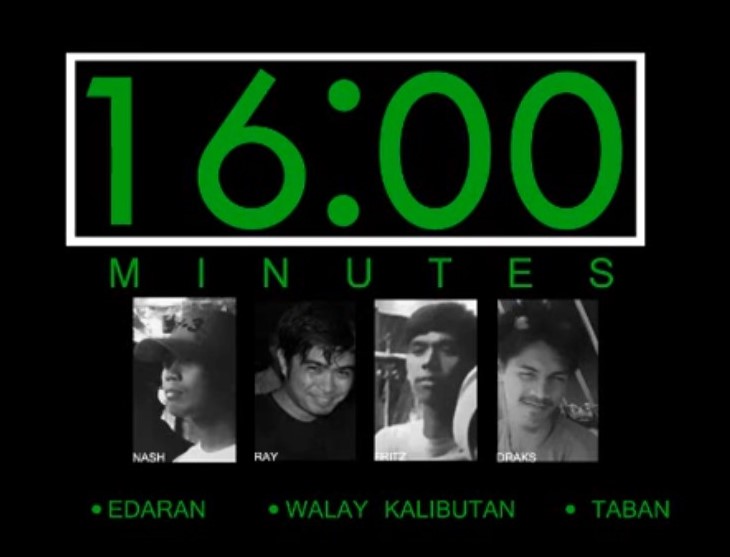
The group released a handful of songs, including “Walay Kalibutan,” written by Jomark as a tribute to the themes of The Matrix. But like many indie acts of the era, the band eventually drifted apart because of the realities of the local music industry. Recording and production costs were high, while financial returns were almost nonexistent. For struggling artists, sustaining a band was difficult. Even so, Nahsh remained active in the local music scene and continues to perform gigs to this day.

Years later, Nahsh and Jomark attempted to reconnect for another collaboration. They even held pictorial sessions meant to restart a project together, but economic realities once again got in the way.
The same challenges affected Brownian Method. Despite the exposure from the major label, the partnership did not provide much financial return. Over time, collaborations faded naturally. Still, MC Rey’s joyful personality and resourcefulness eventually led him into event booking and management, where he now runs his own company successfully.
In the years that followed, Jomark stepped away from the local music scene and focused more on writing. During the pandemic, he contributed articles to the opinion section of a local daily newspaper. Influenced partly by his earlier creative exchanges with Carlo Borromeo, he also wrote and published a time travel novella, now available globally through Amazon.
More recently, Jomark again tried reconnecting with Nahsh for another possible collaboration, but logistical and financial limitations remained a challenge. Studio recording was still prohitively expensive, and coordinating musicians living in different towns proved difficult.
Then technology began changing the music landscape. Streaming platforms and affordable home recording tools started leveling the playing field for independent artists. Inspired by these developments, Jomark decided to start again and form a new band.
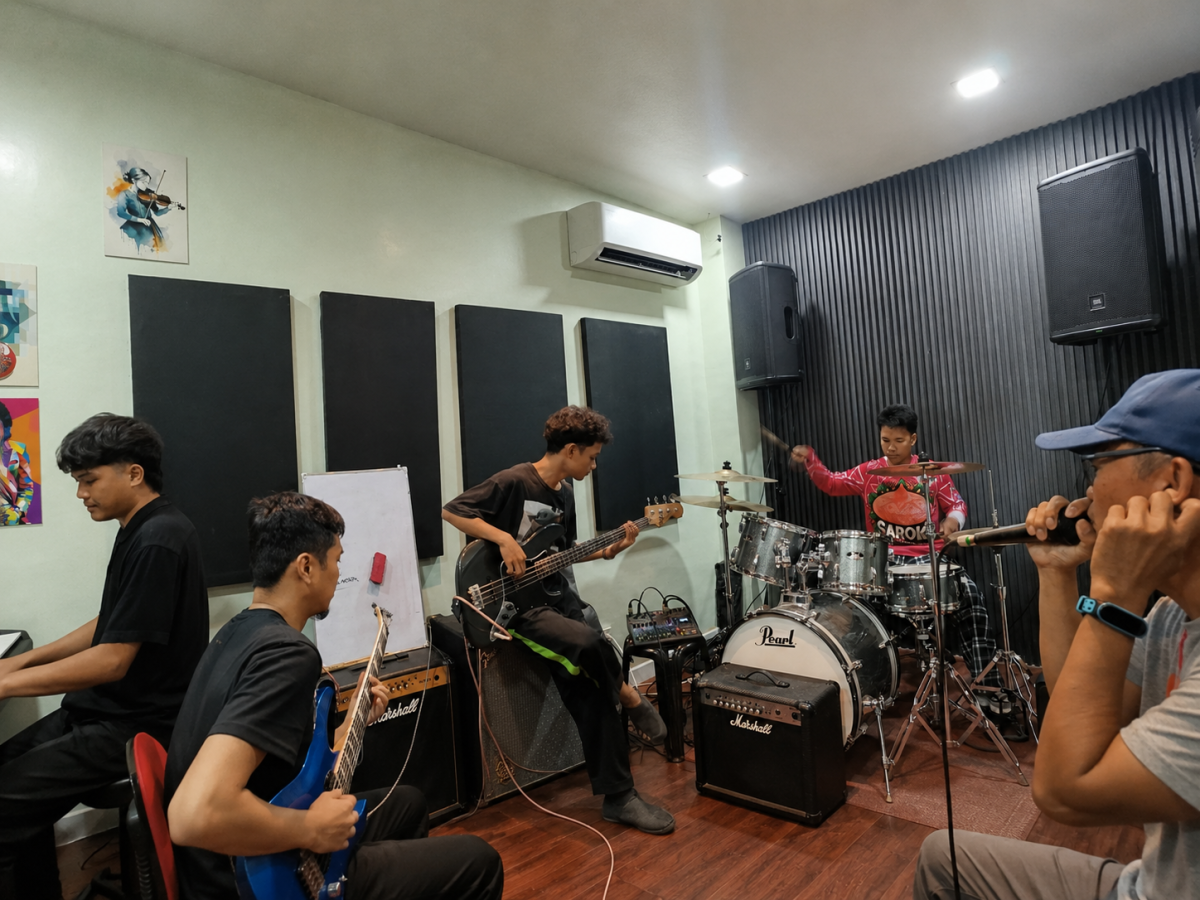
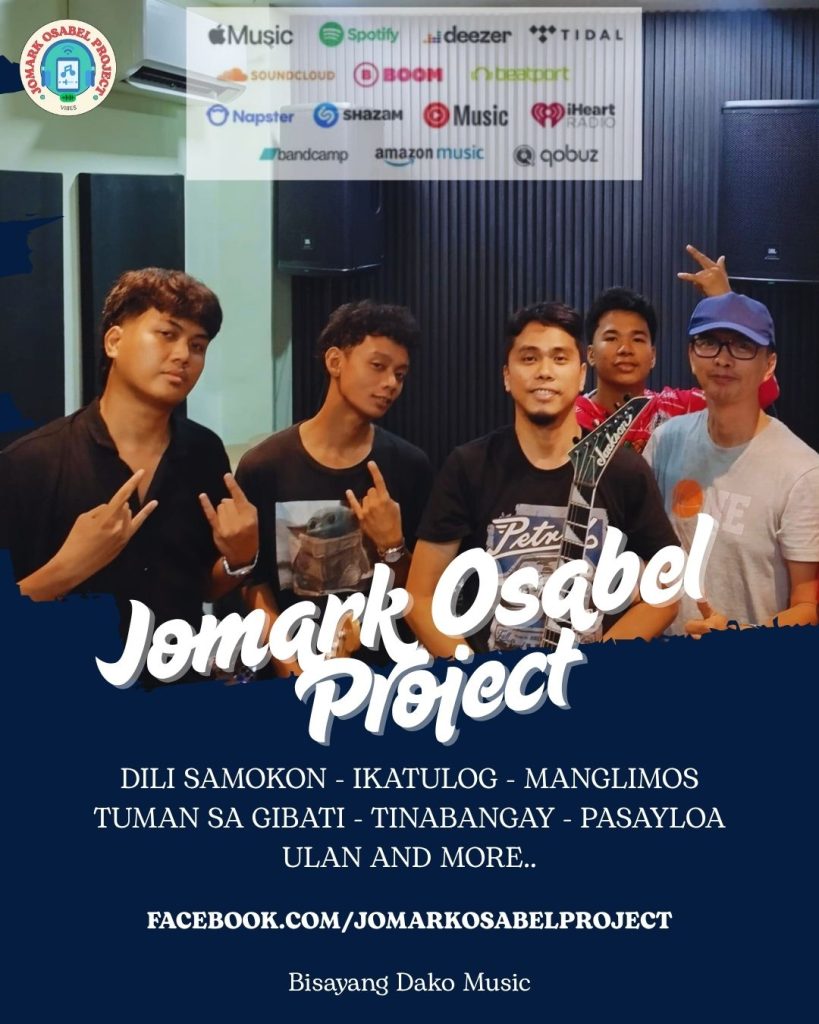
By networking with musicians in nearby studios, he found a group of young and passionate artists who would later become the Jomark Osabel Project, with Jomark himself handling vocals.
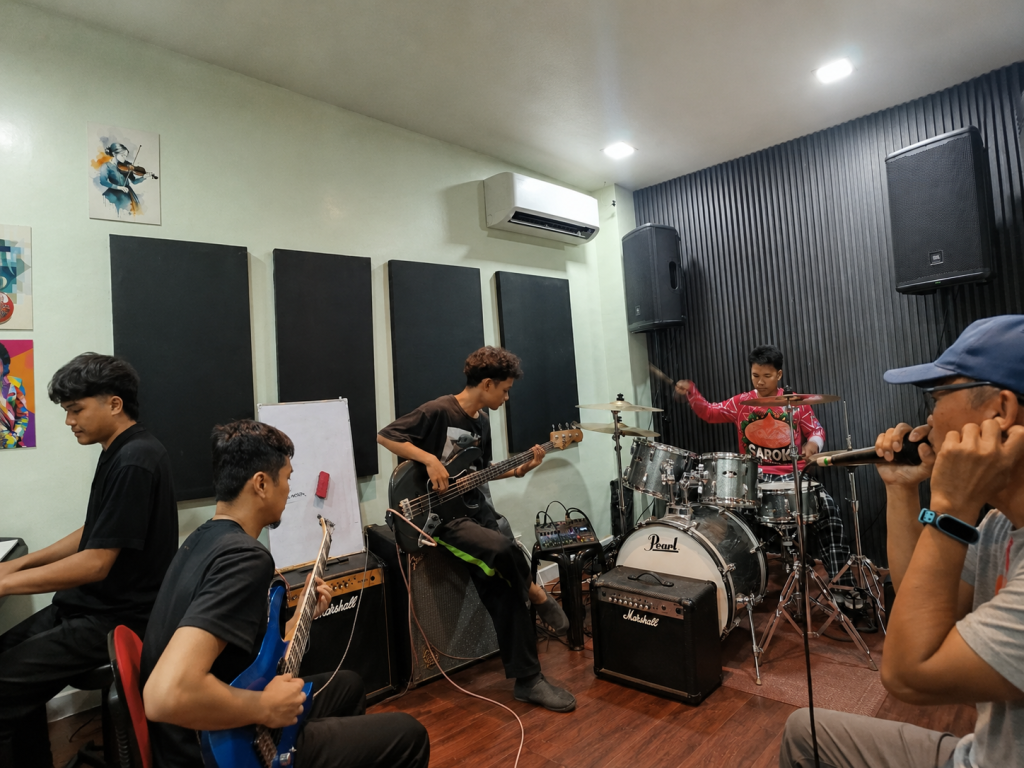
To reduce recording costs, he eventually built a DIY home studio using an entry level PC, Reaper DAW, and some free open-source audio plugins.
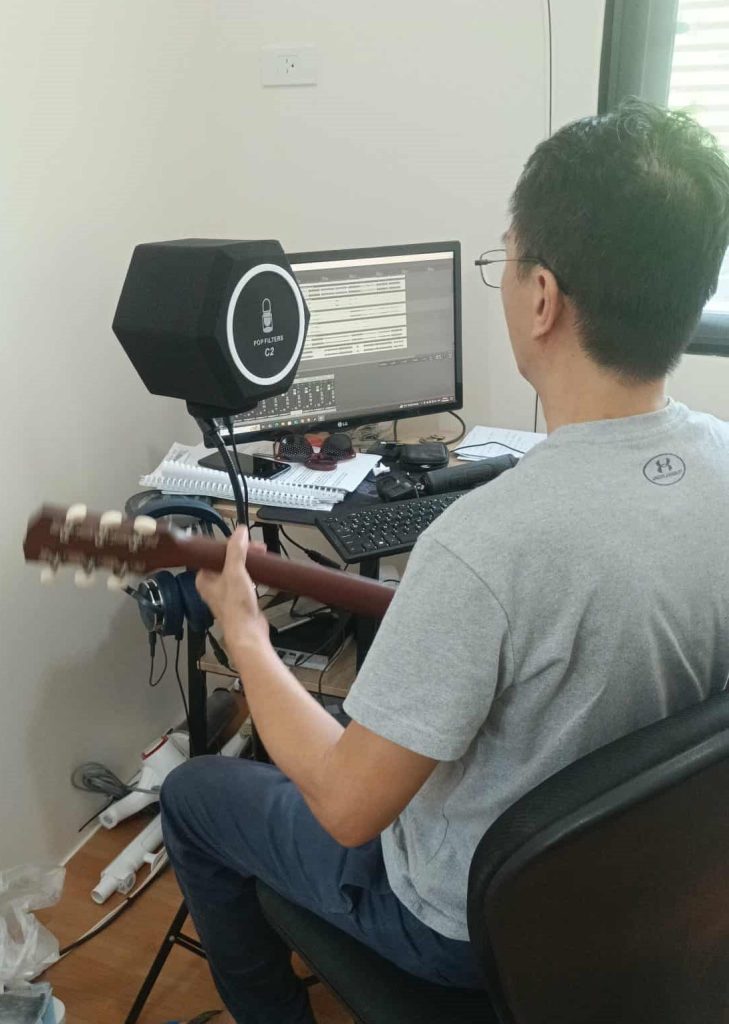
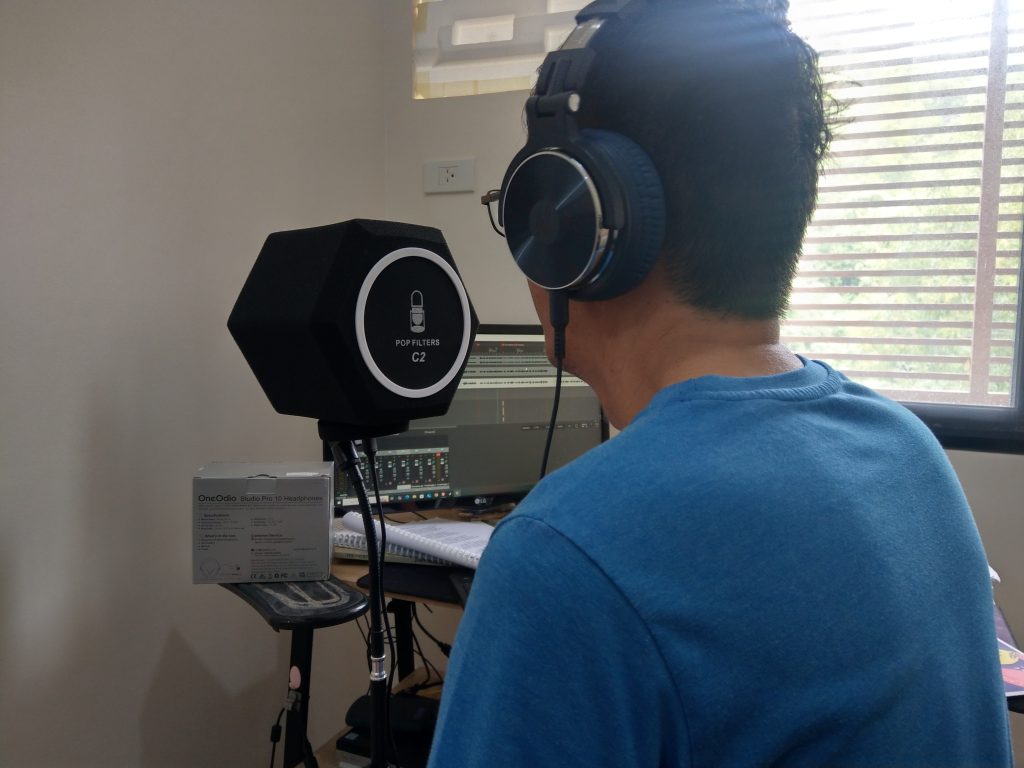
Since 2024, the group has completed around ten songs. One of them, “Tinabangay,” has steadily gained attention online and is beginning to resonate as a community anthem across parts of the Visayas and Mindanao. Based on Facebook posts, Instagram and Tiktok shared reels, the song has been used in videos featuring bayanihan efforts, community outreach, relief operations during typhoons and floods, water projects, roadside assistance, helping a down motorists, and other acts of volunteerism and cooperation. It has also appeared in content involving NGOs, local government initiatives, political gathering, and grassroots community work. Seeing the song connected to acts of kindness and solidarity has been deeply meaningful for the group.
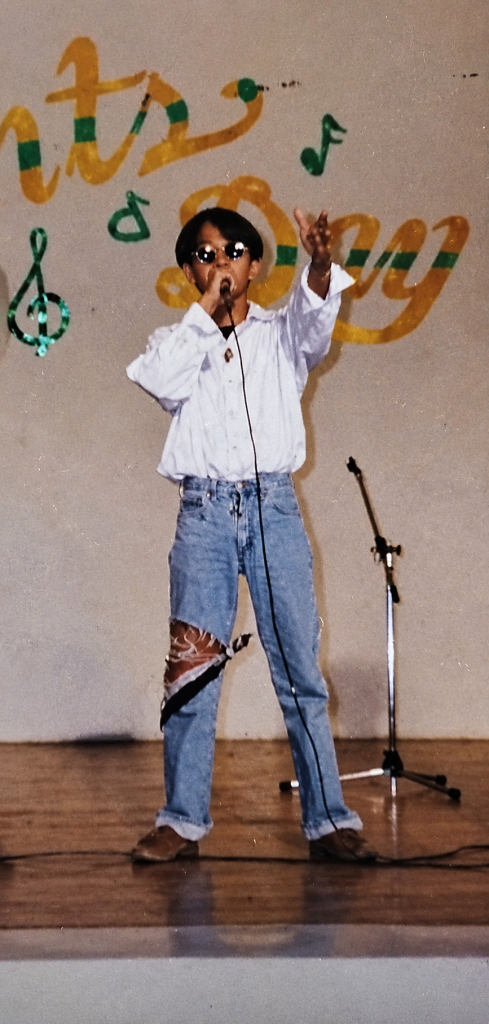
From the beginning, Jomark’s songwriting has always leaned toward social awareness and everyday realities. That instinct traces back to his younger years, when he placed second in interschool rap contests during college and later won a song competition while working for a local pharmaceutical company. One of the songs he performed then was Walang Kapalit by Rey Valera. Like many aspiring musicians, he also started with sentimental songs before finding his own voice.
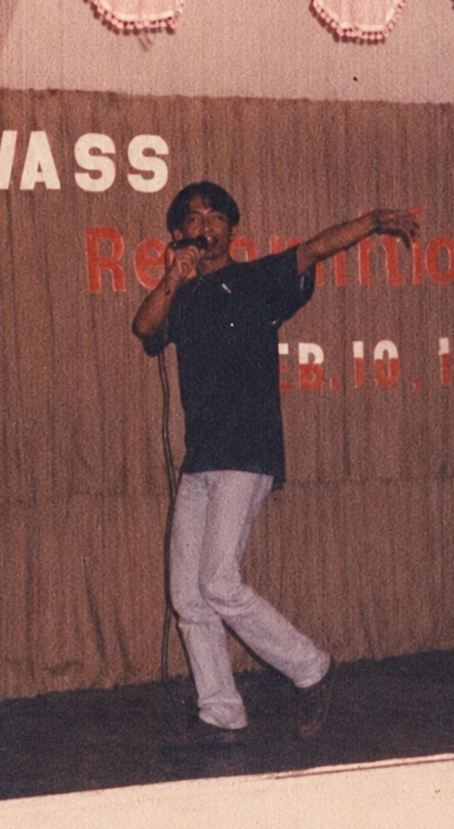
Since the golden era of Bisrock, Jomark has quietly continued supporting indie artists behind the scenes. For him, it has always felt less like a business and more like a calling, artists helping fellow artists keep creating.
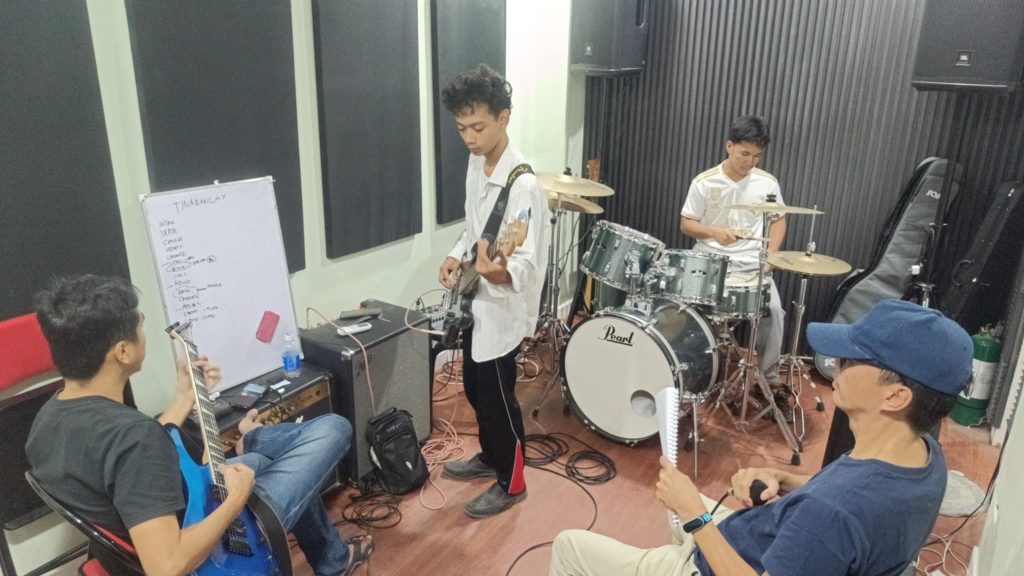
Today, the Jomark Osabel Project continues to release message-driven Cebuano music through major streaming platforms including Spotify, Apple Music, Amazon Music and more. Songs such as “Tinabangay,” “Tuman sa Gibati,” “Suod nga Tinuod,” and “Gasa sa Kadagatan” reflect the project’s advocacy-driven songwriting and grounded Bisaya identity.
While rooted in the traditions of Bisrock and Cebuano independent art, the project continues to evolve through modern DIY production, digital releases, and socially conscious songwriting that connects with ordinary people and communities.